Airfare Fuel Surcharge 2026: How the Middle East War Is Pushing Up Flight Prices
Airfare fuel surcharge 2026 hits Indian travelers hardest on Europe and US routes as Middle East conflict doubles jet fuel prices and forces longer reroutes.
Airfare fuel surcharge 2026 has become one of the most talked-about travel cost pressures of the year — and the reasons trace directly to the ongoing Middle East conflict that has disrupted global aviation since early 2026. Jet fuel prices more than doubled in the weeks following the conflict’s escalation, with the Strait of Hormuz — the critical waterway handling approximately 20% of the world’s oil supply — coming under serious threat.
The result: airlines across the world have been forced to introduce, raise, or extend fuel surcharges, with Indian travelers flying to Europe, the US, the UK, and Gulf destinations bearing the brunt of the cost increase.
For Indian passport holders planning international trips from Delhi, Mumbai, Chennai, Bangalore, or Kochi, the airfare fuel surcharge 2026 situation means one thing in practical terms — flights are more expensive, routes are longer, and planning further ahead has never mattered more.
How Bad Has the Airfare Fuel Surcharge 2026 Situation Got?
The numbers are stark. Jet fuel prices surged to approximately US$90 per barrel during the worst of the conflict disruption — more than double the pre-conflict level of US$65. Fuel typically accounts for 20% or more of an airline’s total operating costs for full-service carriers, and up to 40% for Indian low-cost carriers that operate lean cost structures.
Airlines face an existential challenge, having to cut fares to stimulate weakening demand while higher fuel costs push them to increase fares — what experts describe as a perfect storm.
The practical consequences have been significant across multiple carriers:
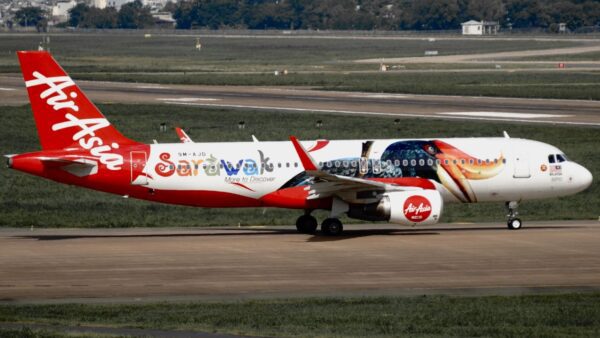
Air India introduced fuel surcharges on international routes from March 2026. Thai Airways officials flagged 10–15% fare increases across their network. AirAsia announced temporary fare and surcharge increases. Cathay Pacific updated fuel surcharges affecting all routes from March 18. Air New Zealand raised fares across domestic, short-haul, and long-haul services. Air France-KLM raised fares on long-distance routes by €50. Qantas lifted prices by varying amounts depending on the route.
Airlines have already introduced fuel surcharges to offset rising costs, while travel companies anticipate overall travel expenses could increase by 20–30% in the near term. Hotels in major cities are witnessing a surge in room cancellations as international travel slows.
| Airline | Airfare Fuel Surcharge 2026 Action |
|---|---|
| Air India | Fuel surcharges introduced — North America, Europe, Australia |
| Thai Airways | 10–15% fare increase anticipated |
| AirAsia | Temporary ticket price and surcharge increase |
| Cathay Pacific | Surcharges updated — all routes from March 18 |
| Air France-KLM | +€50 per long-haul ticket |
| Air New Zealand | NZ$90 increase on long-haul fares |
| Qantas | ~5% fare increase on longest routes |
| SAS Scandinavian | Temporary price adjustment introduced |
The Longer Routes Problem: Why Indian Travelers Pay More
The airfare fuel surcharge 2026 story is not only about the price of oil. It is also about distance — because the Middle East conflict has forced airlines operating through Gulf airspace to reroute around the conflict zone.
The Middle East crisis has forced airlines to reroute Asia–US flights away from key Gulf airspace corridors, including the Persian Gulf and Red Sea zones. These detours have added 1 to 4 extra flight hours on major routes connecting South and Southeast Asia with the United States, severely reducing operational efficiency.
For Indian travelers, this creates a double cost pressure. The same flight to London, Paris, Frankfurt, New York, or Sydney now burns more fuel because the route is longer. That additional fuel burn lands directly on the ticket price, on top of whatever fuel surcharges are applied separately.
Over 23,000 flights have been cancelled across the Gulf region. Airfares on key European routes to India have nearly doubled. Gulf transit hubs are severely disrupted, and international airfares to India are nearly doubling on key European routes.
Pakistan airspace has also been closed to Indian carriers since April 2025 — a separate but compounding factor that forces Air India’s Europe and US flights onto even longer reroutes than non-Indian carriers face, adding two hours per sector and significant additional fuel cost.
The Impact on India’s Inbound Tourism
The airfare fuel surcharge 2026 pressure is not just hitting Indian outbound travelers. It is also suppressing the number of foreign tourists arriving in India — with direct consequences for hotels, tour operators, and the hospitality sector.
Reports suggest up to a 20% decline in inbound tourism due to the war. Long-haul travelers from Europe and North America are most affected due to flight rerouting and cancellations. Many global travelers are postponing or avoiding international trips due to safety concerns.
Before the pandemic, foreign travelers made up nearly 50% of hostel guests at properties across India. Now, that number has dropped to just 10% due to the West Asia war.
The World Travel and Tourism Council estimated the Middle East region is losing approximately US$600 million per day due to the conflict’s impact on tourism flows. For India, the knock-on effect includes fewer European backpackers, fewer transatlantic business travelers, and reduced inbound group tour traffic from markets that previously routed through Dubai, Doha, or Abu Dhabi.
The Aviation Fuel Supply Chain Problem
One dimension of the airfare fuel surcharge 2026 crisis that most travelers do not fully appreciate is how the conflict has disrupted the fuel supply chain itself — not just its price.
The Civil Aviation Authority of Vietnam said that the restriction in the supply of aviation fuel (Jet A-1), caused by the conflict in the Middle East, has put domestic airlines at risk of fuel shortages. In response, Vietnam Airlines temporarily suspended a number of services, with 23 weekly flights cancelled as the airline adjusted capacity in response to fuel supply pressures.
European carriers have been particularly exposed. Refineries in the Arabian Gulf historically supplied up to 60% of Europe’s entire aviation fuel import needs before the conflict erupted. The sudden disruption to that supply chain pushed European carriers into competing for alternative fuel sources at elevated prices — a cost that flows directly into the fuel surcharge line on every ticket.
Global carriers operate on an average net profit margin of just 2%, meaning any prolonged increase in fuel costs represents an existential threat to commercial survival.
What This Means for Demand: Fewer People Are Flying
The combined pressure of higher airfares, longer routes, and regional uncertainty has started to suppress demand — particularly on long-haul routes from Asia to the United States.
Bookings for July 2026 travel across all fare classes from Europe to the United States have dropped 14% year-over-year, while bookings from the US to Europe have fallen 7% year-over-year. That drop could lead to transatlantic price reductions if airlines feel the need to start filling seats at lower fares.
Overall air passenger demand fell by 2.2% in May compared to the same period last year. The sharpest decline was centered on Middle East carriers, which suffered a 28.4% year-on-year drop in passenger traffic.
For Indian outbound travelers, this paradox matters. Where demand is falling on specific corridors, airlines may choose to discount fares to fill seats — creating windows of competitive pricing even within a generally elevated fare environment. The key is monitoring fares actively rather than assuming the market is uniformly expensive.
Is There Any Relief Coming?
The airfare fuel surcharge 2026 situation has begun to show signs of gradual improvement. Oil prices came off their peak levels as some regional tensions eased, and Air India announced a 20–30% reduction in fuel surcharges on long-haul routes from July 1, 2026, following a decline in Jet A-1 prices to approximately US$110 per barrel.
However, prices remain above pre-conflict levels. The Pakistan airspace closure for Indian carriers has not been resolved. And the broader regional situation — including the July 12 escalation involving UAE, Qatar, Bahrain, and Oman — means new volatility remains possible.
For Indian travelers, the practical guidance is clear. Book well in advance to lock in fares before any further surcharge adjustments are applied. Compare total ticket costs including all surcharges rather than just base fares. Consider alternative routing options that may offer better value — Singapore Airlines through Changi, for example, has been positioned as a safer and more competitive hub. And carry travel insurance that covers trip disruptions related to geopolitical events.
For comprehensive travel insurance covering airfare disruptions, route changes, and cancellations related to the Middle East situation, SafetyWing Nomad Insurance provides reliable coverage at affordable daily rates for Indian travelers. For confirmed flight bookings required for visa applications, a legitimate flight reservation is available at flyinghelpline.com/flight-reservation/ for just ₹999.
FAQs — Airfare Fuel Surcharge 2026
Q: How much have airfares increased due to the Middle East conflict in 2026?
The increase varies significantly by route and carrier. On India–Europe routes, airfares have risen sharply with carriers introducing fuel surcharges ranging from ₹6,700 (Air India’s previous US$80 surcharge) to significantly higher on some European carriers. Travel companies estimate overall travel expenses could increase 20–30% in the near term. Asia–US airfares have risen 15–40% depending on route and carrier. Air India partially reversed its fuel surcharges from July 1, reducing them by 20–30% as jet fuel prices moderated — but fares remain above pre-conflict levels.
Q: Are there routes from India that are less affected by the airfare fuel surcharge 2026?
Short-haul routes within South and Southeast Asia are less affected than long-haul Europe, US, UK, and Australia routes. Destinations like Thailand, Vietnam, Malaysia, Singapore, Japan, and South Korea are on shorter routes that are less exposed to Middle East airspace disruptions. Indian travelers seeking to minimise fuel surcharge impact should consider Southeast Asian destinations or routing through Singapore’s Changi Airport rather than Gulf hubs, which remain more disrupted.
Q: Will airfares come down once the conflict eases?
Experts caution that airfares may remain elevated for months even if the war de-escalates. Fuel supply chain disruptions take time to resolve. Airlines typically maintain surcharges while jet fuel prices are still above historical averages — and prices at approximately US$110 per barrel remain well above the pre-conflict US$65 baseline. Additionally, Pakistan’s airspace closure for Indian carriers remains unresolved, keeping an additional structural cost burden on Indian airline operations regardless of Middle East developments.
Final Word
The airfare fuel surcharge 2026 story is not over — but it is beginning to move in a more positive direction as oil prices moderate from their peak. For Indian travelers, the message is to book early, compare total costs including all surcharges, choose routes that minimise Middle East airspace exposure, and carry travel insurance that covers disruption events.
The world has not stopped being worth visiting — but getting there costs more right now than at any point since the pandemic. Plan accordingly, watch fare trends actively, and take advantage of any booking windows where demand softness creates competitive pricing on routes you want to fly.
Also Read:
- Air India Fuel Surcharge Cut July 2026
- Dubai Tehran Flights Resume — Middle East Aviation Update
- SafetyWing Nomad Insurance — Full Review for Indians
Official Sources:
 AirAsia Financial Crisis 2026 Indians: USD 1 Billion Funding Hunt, Malaysia Plans Route Backup
Thailand Tourist Fee 2026: 3 Airport Charges Indian Travelers Must Budget For

Singapore Haze 2026 Indians: PSI 192, Outdoor Tourism Down 30% — What to Know
Bangkok Rain Warning October 2026: Heavy Rain Returns Tuesday, Flood Risk Elevated
AirAsia Financial Crisis 2026 Indians: USD 1 Billion Funding Hunt, Malaysia Plans Route Backup
Thailand Tourist Fee 2026: 3 Airport Charges Indian Travelers Must Budget For
Singapore Haze 2026 Indians: PSI 192, Outdoor Tourism Down 30% — What to Know
Bangkok Rain Warning October 2026: Heavy Rain Returns Tuesday, Flood Risk Elevated

Aaseem Bhardwaj is a journalist, seasoned traveler and IT professional based in India. With firsthand travel experience across Southeast Asia, East Asia, Middle East and Europe, Aaseem founded Travel Man Today to provide reliable visa updates and travel news for Indian passport holders. He has personally traveled to Thailand, Vietnam, Malaysia, Japan, Singapore, Hong Kong, South Korea, UAE and Europe. Follow his travel vlogs on YouTube at @travelmantoday






Templates for Indians